COD ON ORDER ABOVE 499 | Use code : pawsure15 for additional 15% OFF | Available on flipkart/amazon

Signs Your Dog May Have Skin Infection Problems
Excessive scratching, redness, hot spots, or unusual odor may be more than simple irritation. Learn the early warning signs of skin infections in dogs and when to take action
5/28/20262 min read
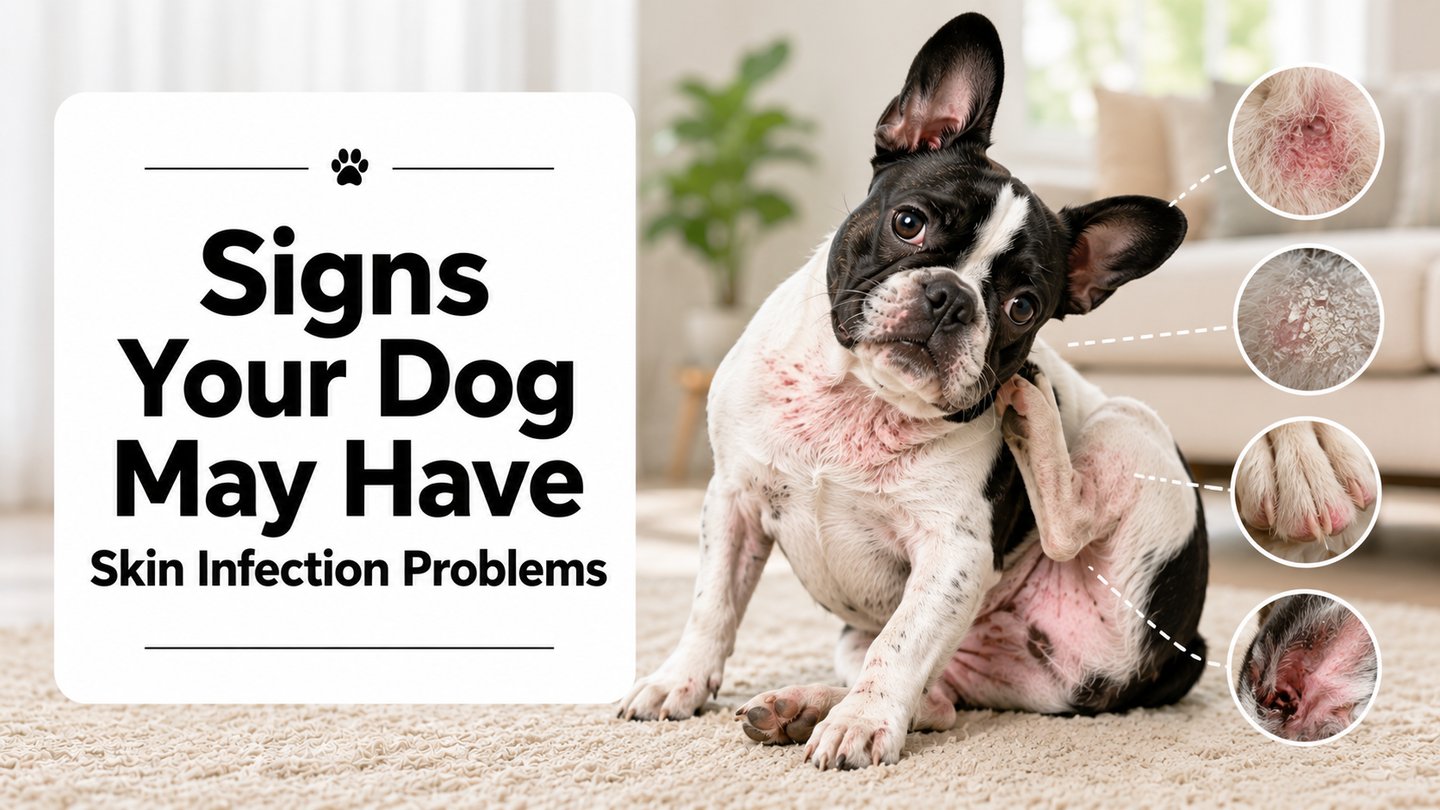
Signs Your Dog May Have Skin Infection Problems
Most dogs scratch occasionally. It's a normal part of life.
But when scratching becomes constant, skin becomes red, or unusual odors appear, your dog may be dealing with something more serious than simple itching.
Skin problems are among the most common reasons dogs visit veterinarians worldwide. The good news is that many skin issues can be identified early if pet parents know what signs to watch for.
Why Skin Infections Happen
A dog's skin acts as a protective barrier against bacteria, fungi, allergens, and environmental irritants.
When this barrier becomes damaged due to:
Excessive scratching
Tick and flea bites
Moisture trapped in fur
Allergies
Poor hygiene
Minor wounds
bacteria or fungi can multiply and lead to infection.
1. Constant Scratching
Occasional scratching is normal.
However, if your dog is scratching throughout the day, especially in the same area repeatedly, it may indicate:
Skin irritation
Allergies
Parasites
Developing infection
Persistent scratching often causes further skin damage, creating a cycle that worsens over time.
2. Red Or Inflamed Skin
Healthy skin should generally look calm and free from irritation.
Watch for:
Red patches
Pink inflamed areas
Swelling
Warm skin
These may indicate inflammation or infection beneath the surface.
3. Unpleasant Skin Odor
A strong odor coming directly from the skin or coat is often overlooked.
Many skin infections produce:
Sour smell
Musty odor
Yeasty smell
Persistent unpleasant scent
If your dog smells bad even after grooming, the skin itself may be the source.
4. Excessive Licking Or Chewing
Dogs often try to soothe discomfort themselves.
Warning signs include:
Constant paw licking
Biting at skin
Chewing specific areas
Focusing repeatedly on one spot
This behavior can indicate irritation, infection, or underlying discomfort.
5. Hot Spots
Hot spots are moist, inflamed areas that can develop quickly.
Common signs:
Red patches
Hair loss
Wet or sticky skin
Sensitivity to touch
Hot spots can worsen rapidly if not addressed.
6. Hair Loss Or Thinning Coat
Localized hair loss may occur when skin becomes unhealthy.
Look for:
Bald patches
Thinning fur
Uneven coat appearance
Broken hair around irritated areas
These changes often appear alongside scratching and inflammation.
7. Scabs, Crusts, Or Flaky Skin
Skin infections may cause:
Crust formation
Scabs
Dry flakes
Rough skin texture
These signs should never be ignored if they continue for several days.
When To Seek Veterinary Advice
Contact your veterinarian if you notice:
✅ Persistent scratching
✅ Red inflamed skin
✅ Strong skin odor
✅ Hair loss
✅ Open wounds
✅ Oozing or moist skin patches
Early treatment often prevents minor issues from becoming major problems.
Prevention Is Easier Than Treatment
Many skin problems can be reduced through consistent grooming and hygiene.
A healthy routine includes:
Regular bathing
Tick and flea management
Ear hygiene
Coat maintenance
Prompt cleaning of irritated areas
Supporting Healthy Skin Every Day
At PawSure, we developed products specifically for common skin-care concerns faced by pet parents.
NeemGuard helps support coat cleanliness and tick-defense routines.
CalmSkin helps soothe itchy and irritated skin.
SkinDefense supports skin hygiene and recovery.
EarEase helps maintain ear cleanliness, reducing one common source of irritation.
Healthy skin starts with consistent care, early observation, and prompt action when something doesn't look right.
PawSure
Trusted by pet parents, PawSure creates safe, effective, and thoughtfully crafted products for everyday pet wellness and care.
Contact
Newsletter
team@pawsureindia.com
8780274683
© 2024. All rights reserved.